

Key Takeaways
- Light sensitivity, called photophobia, means normal or bright light feels uncomfortable.
- Dry eye, long screen sessions, migraines, and allergies can all contribute to light sensitivity.
- Some medications and age-related changes can add to the problem.
- Sharp pain, sudden vision changes, or a recent injury are signs to seek prompt care.
- Sunglasses, artificial tears, and screen breaks can help, but if symptoms continue, it’s worth booking an eye exam to figure out what might be going on.
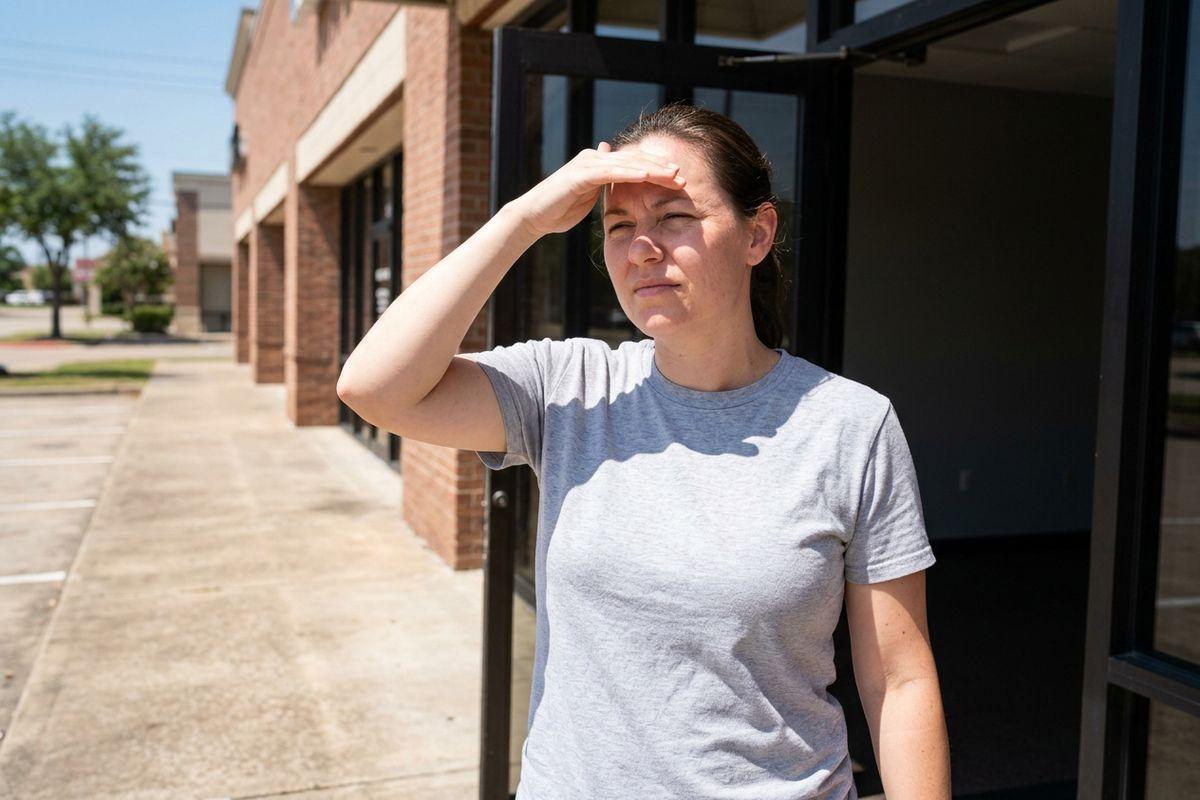
You step outside, and you can barely stand to keep your eyes open. Maybe the kitchen lights feel too bright, and by mid-afternoon, your screen feels like a flashlight pointed at your face. At Clear Lake Eye Center, our eye doctors hear this from adults and children across Webster, and we want to help you find relief.
Light sensitivity, known as photophobia, happens when your eyes react with discomfort to normal or bright light, and it usually points to something treatable. During a comprehensive eye exam, your eye doctor can determine what may be going on and help you find relief.
Common Signs to Notice
If you have light sensitivity, you may have noticed a few key signs. It may be time to book an eye exam if you experience:
- Squinting, watery eyes, or trouble keeping your eyes open when around bright light
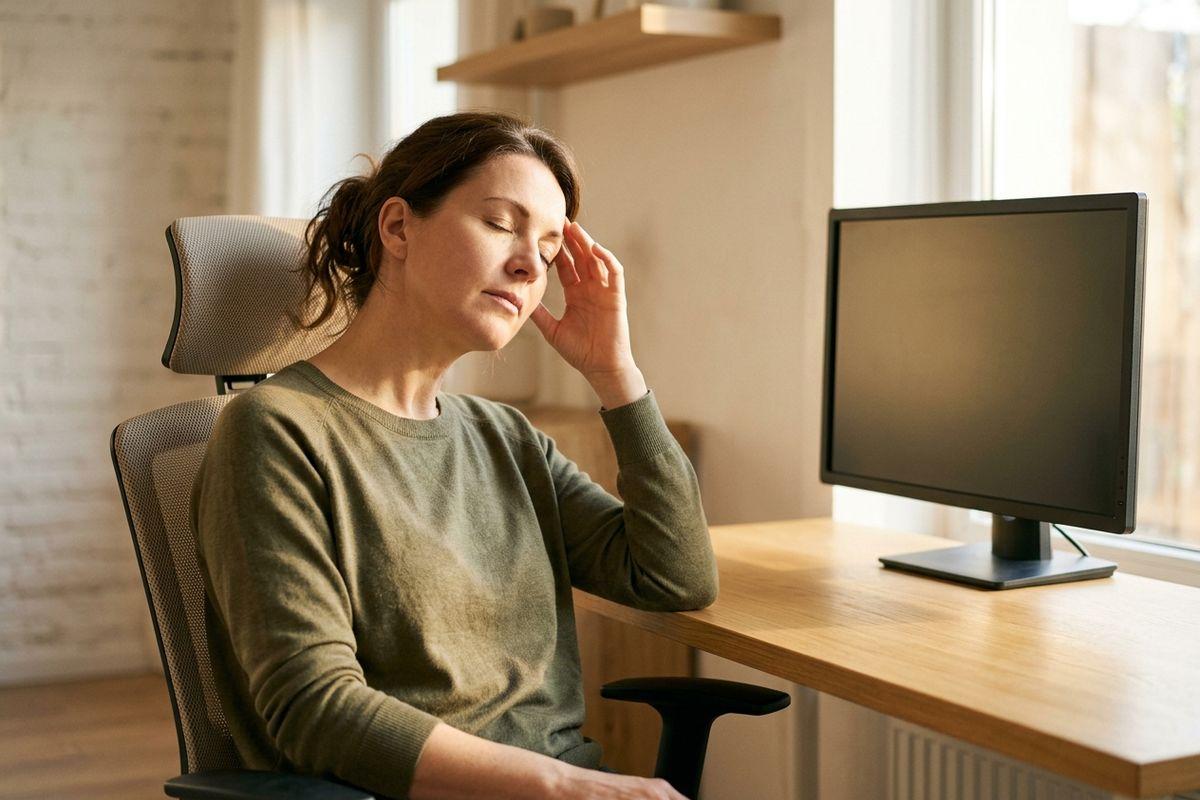
- Frequent headaches or a feeling of pressure behind your eyes
- Sunlight and screens feeling harsh
Common Reasons for Light Sensitivity
Dry Eye and Screen Time
Dry eye means that your tears aren’t providing you with the clear, smooth surface your eyes need to focus light evenly. When that happens, it can make incoming light feel more harsh than normal. On top of that, the inflammation that comes with dry eye can irritate the eyes and contribute to light sensitivity.
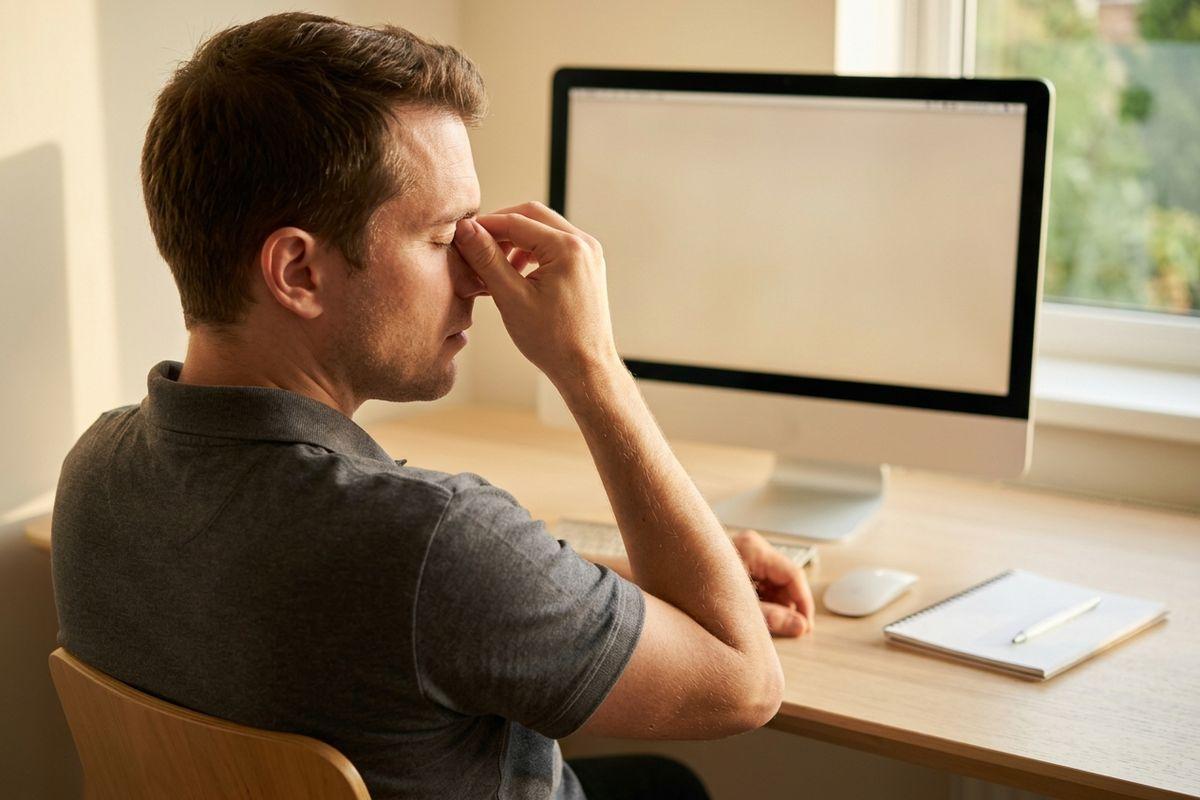
Screen time can make dry eye symptoms worse. Many people blink less when on screens, which can disrupt the tear film and add to light sensitivity.
Migraines
Light sensitivity is often part of a migraine attack. Bright lights can trigger migraines in some people, so if you notice this pattern, it may be worth talking to your eye doctor about ways to manage your light sensitivity.
Irritation, Allergies, and Infections
Allergy season in the Clear Lake area leaves plenty of itchy, red, watery eyes behind. Allergies create inflammation, which can trigger light sensitivity in some people. Pink eye and other infections can do the same.
Less Obvious Reasons Worth a Look
Sometimes, less noticeable factors can cause light sensitivity. Here are a few less common causes to be aware of:
- A corneal scratch from debris or from wearing contact lenses too long
- Inflammation inside the eye, such as uveitis
- Eye pressure changes and glare related to cataracts
Medications and Light Sensitivity
Certain antibiotics, antihistamines, and other prescriptions may contribute to light sensitivity. During your eye exam, your eye doctor may ask you about any medications you take to help narrow down what may be contributing to your symptoms. It can help to bring a list of what you take to your exam.
When Sudden Light Sensitivity Needs Prompt Care
In some cases, light sensitivity can signal something more urgent. If you notice any of the following symptoms alongside light sensitivity, seek prompt eye care:
- Sharp eye pain or a sudden change in your vision
- A severe headache or significant redness
- New flashes of light or floaters
- A recent eye injury, such as a chemical splash
How to Ease Light Sensitivity and What an Eye Exam Covers
Everyday Steps for Relief
Small habits can help provide some relief while you wait for an eye exam:
- Wear UV-blocking sunglasses and a brimmed hat outdoors
- Use preservative-free artificial tears
- Follow the 20-20-20 rule: Every 20 minutes, look 20 feet away and blink 20 times
- Soften indoor lighting where you read or work
What Happens at Your Eye Exam
Your optometrist can start with your symptom history, then check your vision and look closely at your eye surface. They may measure your eye pressure, and in some cases they will dilate your eyes for a closer look at the structures inside your eye.
From there, you get a care plan matched to what’s actually going on, not a 1-size-fits-all fix.
Care for Kids and Adults in Webster
If you or someone in your family is managing light sensitivity, bring them in for an eye exam. We provide thorough, compassionate care to people of all ages, including myopia control for growing children.
Regular eye exams with an eye doctor in Webster can help detect changes early, sometimes before you notice them yourself.
Book Your Visit
Light sensitivity has a reason, and our team at Clear Lake Eye Center is here to help you find it. Your eye doctor in Webster can assess your eyes, talk through what they find in plain language, and build a plan around your day-to-day life. Ready to find relief? Schedule a comprehensive eye exam for yourself or your child today.